

Scroll through any off-road forum, and you will see endless vehicle builds. Massive wheels, flashy lights, expensive accessories. The photos look incredible. Out on a remote trail, many of those upgrades do very little. Experienced overlanders approach modifications differently. They focus on durability, reliability, and gear that solves real problems. When a vehicle carries camping equipment across hundreds of dirt miles, every upgrade must justify its weight and cost. Trail veterans often repeat the same lesson. Function beats appearance every single time. These upgrades consistently prove their value once pavement disappears.
All-Terrain Tires Built for Long Distance
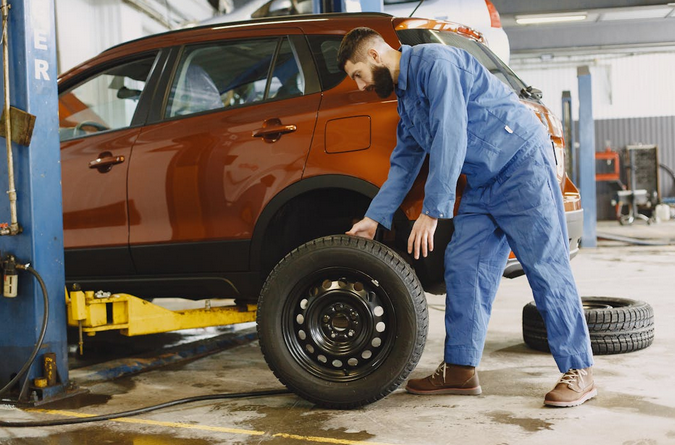
Tires make direct contact with the trail. That fact alone makes them one of the most critical upgrades. All-terrain tires provide stronger sidewalls and deeper tread. They grip gravel roads, dirt tracks, and muddy routes with far more confidence. Durability also matters. Remote travel sometimes covers thousands of miles, far from service shops. Strong tires reduce the risk of punctures and sidewall damage. Many overlanders carry a spare tire along with repair kits for emergencies. Good traction keeps the vehicle moving forward. Without it, even the best engine struggles.
Recovery Gear That Saves the Trip
Getting stuck eventually happens. Sand, mud, snow, or loose rock can trap any vehicle. Preparation makes the difference between a short delay and a serious problem. Recovery gear belongs in every overland setup. A solid recovery strap, traction boards, and a shovel solve many situations quickly. Winches also provide valuable backup. When traveling alone in remote areas, self-recovery tools become extremely important. Many experienced drivers store recovery equipment where it is easy to reach. Digging through cargo during a storm or deep mud rarely goes well. Reliable tools turn difficult moments into manageable tasks.
Suspension Upgrades That Handle Real Weight

A stock suspension works fine for daily driving. Overland travel changes that equation quickly. Extra fuel, water, tools, and camping gear add serious weight. Once the vehicle loads up, factory springs often sag. Handling becomes sloppy, and ground clearance disappears. Quality suspension upgrades fix that problem. Stronger springs and better shocks support the added cargo. The vehicle rides more smoothly across washboard roads and rocky paths. Good suspension also improves control during steep climbs and descents. Drivers feel the difference immediately on rough trails. Many experienced travelers upgrade suspension before adding other accessories.
Roof Racks and Storage Systems
Overland travel requires carrying equipment efficiently. Food, water, camping gear, spare parts, and tools take up serious space. Roof racks help organize bulky items such as rooftop tents, recovery boards, and fuel containers. That frees interior space for smaller gear. Inside the vehicle, drawer systems create structured storage. Tools and cooking equipment remain accessible instead of being buried in bags. Organization becomes more valuable during longer trips. Searching for gear every evening quickly becomes frustrating. Experienced travelers build storage setups that keep everything in its place.
Strong suspension, reliable tires, recovery tools, and smart storage consistently prove their value during long journeys. These upgrades help vehicles handle real conditions far away from paved roads. When the trail stretches for hundreds of miles, practical equipment matters far more than flashy accessories.…

 From legacy brands like Ford and Toyota to rising stars like Rivian and VinFast, automakers are investing heavily in the compact EV crossover category. New platforms designed specifically for electric vehicles are enabling better performance, longer ranges, and roomier interiors—all within a compact frame. These aren’t just compliance cars anymore. They’re legitimate, well-designed, competitive vehicles built to meet the evolving needs of everyday drivers.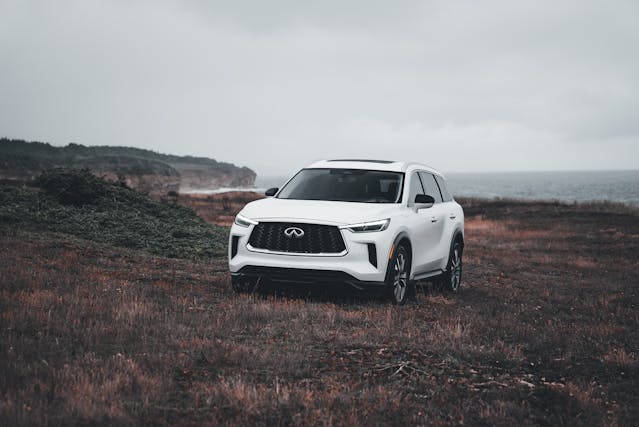

 Vehicle overview reports provide a detailed summary of a car’s key features and specifications. Whether it’s fuel efficiency, safety features, or technological advancements, these reports highlight what makes each car unique. For example, if a buyer is interested in a vehicle with high fuel efficiency, they can quickly compare the miles per gallon (MPG) ratings across different models. This feature-centric approach saves buyers from researching each attribute individually, streamlining the decision-making process.
 One of the most significant advantages of vehicle overview reports is the ability to compare different models easily. Buyers can lay out multiple reports side by side, evaluating the pros and cons of each option. This comparative approach is useful for narrowing down choices within a specific budget or feature set. By providing clear and concise comparisons, vehicle overview reports empower buyers to make decisions confidently and clearly. Navigating the car market can be daunting, but vehicle overview reports simplify the process by offering a wealth of information in a user-friendly format.










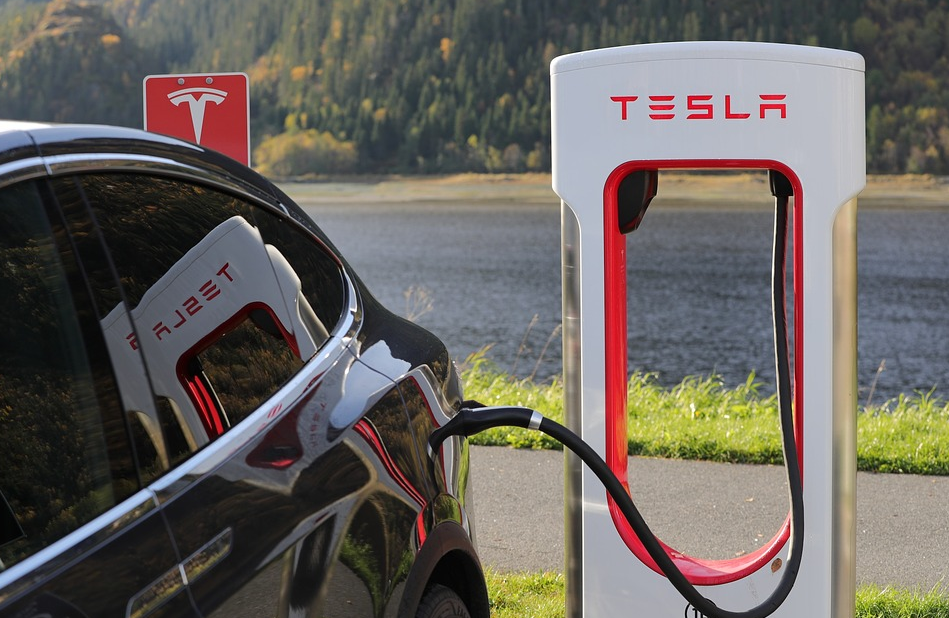 With the campaigns on saving the environment, many have become aware of the impact they have on the climate. Many of the activities that we do daily are credited with negatively affecting the environment. Among the many things that negatively affect the environment are vehicles. Most vehicles tend to emit harmful emissions to the environment.
 If you are into the latest news concerning vehicles, you might have come across autonomous vehicles. Though fully autonomous vehicles are yet to be achieved, many cars have autonomous features. There are many drivers assist features like automatic braking and the ability to change lanes. In a short period, anyone will be able to effortlessly drive a vehicle as cars are on the road to be fully autonomous.